


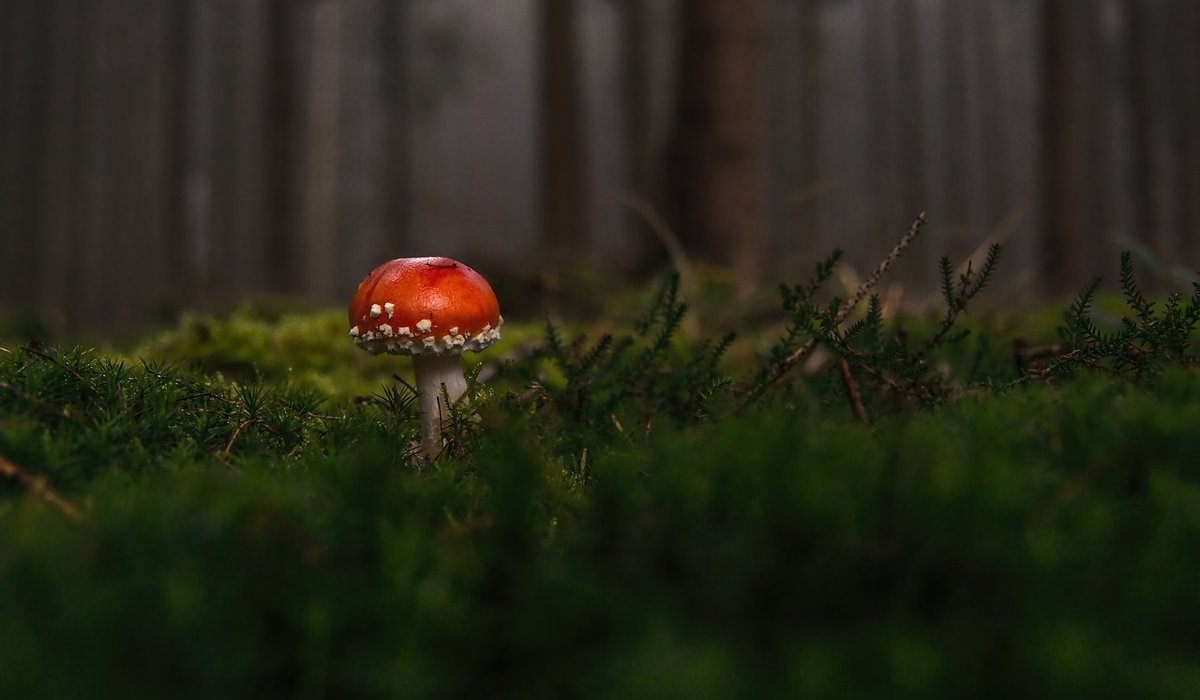
A bluebell wood in late April or early May is one of Britain’s most extraordinary sights. The floor turns a deep, smoky violet, and the air carries a sweet, damp scent of new growth. But the real reward comes when you resist the urge to stride through and instead walk slowly, breathe deeply and let your attention settle on the small details. This is woodland gardening at its most mindful: you are not just a visitor, but a quiet participant in a living system.
Preparing to Walk with Attention
Mindfulness in a bluebell wood begins before you take your first step. Choose a calm morning or a late afternoon when the light is low and golden. Wear soft-soled boots or trainers so you can feel the uneven ground, and leave headphones at home. The point is to let the wood set the pace.
Stand still for a full minute at the edge of the trees. Breathe in for a count of four, hold for two, and breathe out for six. This simple pattern calms the nervous system and sharpens your senses. You will begin to hear the distant drum of a great spotted woodpecker, the rustle of a bank vole in the leaf litter, and the low hum of early bees.
- Go early or late. Midday sun flattens the colour and makes shadows harsh.
- Walk on the path. Bluebell bulbs sit just below the surface and are easily crushed.
- Carry a small notebook. Jotting down what you notice deepens the experience.
Noticing How Light Filters Through the Canopy
Bluebells are woodland specialists. They complete most of their growth before the canopy closes, which is why they bloom in that narrow window when the oaks and beeches are still bare or only just leafing. As you walk, watch how light falls in shifting patches. A single sunbeam can turn a drift of bluebells into a luminous pool; a cloud passing overhead can mute the whole wood to grey.
Look up as often as you look down. The quality of light changes with every step: dappled, speckled, silvered. Native bluebells have narrow leaves that make the most of these brief sun flecks, and their flowers turn to follow the light. Notice how the stems lean, almost imperceptibly, towards the brightest gaps. That quiet tracking is a form of attention you can borrow for yourself.
Wildlife to Watch For (Without Disturbing It)
A bluebell wood is a busy place in spring, but the wildlife is often small and discreet. Stand still at the edge of a drift and let your eyes soften. You may see an orange-tip butterfly laying eggs on cuckooflower, or a brimstone drifting past like a scrap of pale paper. Early bumblebees buzz low over the bells, and queen wasps hunt for aphids among the stems.
Birdlife is just as rewarding. Listen for the explosive song of a blackcap, the metallic chink of a nuthatch, and the repetitive see-saw of a great tit. If you are very quiet, you might hear a treecreeper working its way up a trunk. Keep dogs close and never let them run through the flowers. Trampling damages bulbs and compacts the soil, which can take years to recover.
- Use peripheral vision. Direct staring can make shy creatures freeze or flee.
- Avoid picking. Bluebells rarely survive transplanting and picking weakens the bulb.
- Stay on the main path. Even a few footsteps can crush a decade of growth.
Native or Spanish? A Key Distinction
Not every bluebell you see is a true British native. The native bluebell (Hyacinthoides non-scripta) has deep violet-blue flowers that droop to one side of the stem, narrow leaves, and creamy-white anthers inside the bell. The Spanish bluebell is paler, stands upright, has wider leaves, and blue anthers. Hybrids between the two are increasingly common and can weaken the native gene pool.
Why does this matter for woodland gardening? Native bluebells support more wildlife, including specialist bees and hoverflies that have evolved alongside them. If you are planting in your own garden, always ask for native stock grown from British seed. Never dig up wild bulbs. If you already have Spanish bluebells, deadhead them before they set seed and consider replacing them gradually with natives.
Bringing Bluebell Wood Wisdom into Your Own Garden
You can recreate a little of that woodland magic at home, even in a small shady patch. Native bluebells prefer moist, humus-rich soil that drains freely but never dries out completely. Plant bulbs in autumn, about 10cm deep and 10cm apart, under deciduous trees or shrubs. Add leaf mould or well-rotted garden compost, but avoid heavy mulches that smother the leaves.
Companion planting makes the display more resilient. Try wood anemone, wild garlic, lily-of-the-valley, ferns and hellebores. These plants share the same light and moisture needs and provide cover for frogs, beetles and small mammals. Leave log piles and areas of undisturbed leaf litter. Resist the urge to tidy everything in autumn; the decaying leaves are next spring’s food.
Walking Softly, Leaving a Light Footprint
As you leave the wood, carry that quiet attention home with you. The mindful walk is not just about what you see; it is about how you move through the world. Stay on paths, take only photographs, and report any damage or dumping to the woodland trust or local wildlife group. If you can, volunteer for a work party or record your sightings for a county wildlife recorder. Every small act helps.
Bluebell woods reward patience. They ask you to slow down, breathe deeply and notice how light filters through the canopy above. Do that, and you will find that the wood has changed you as much as you have changed your footprint on it.


Leave a reply