


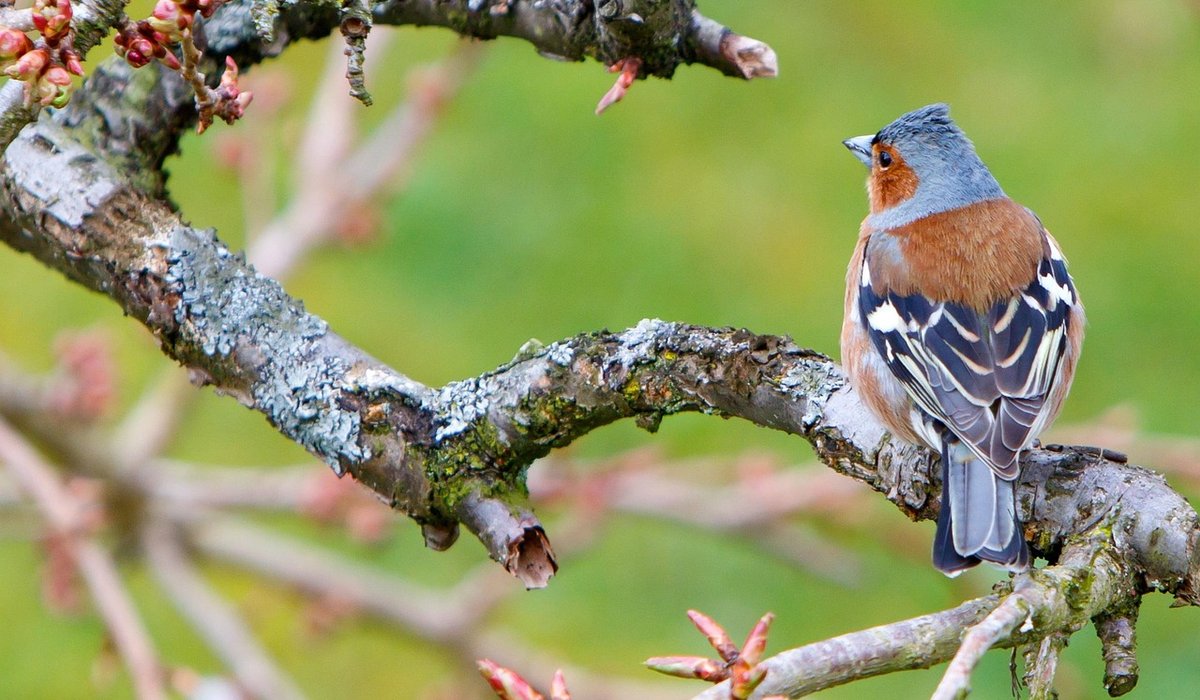
Spring arrives slowly in a woodland garden. The soil stays cold long after the first celandines open, and there is a narrow window – roughly from late February until the tree canopy closes in mid-May – when light reaches the ground and everything beneath the trees must grow, flower and set seed. Miss that window and you are gardening in deep shade for the rest of the year. The jobs below are timed to make the most of it, and each one does double duty for the birds, bees and amphibians that share the space.
Clear Gently, Then Mulch Deeply
Start with the lightest possible tidy-up. Resist the urge to scuff over beds with a hoe or rake: woodland soil is a living network of fungal threads, and disturbing the top few centimetres does far more harm than a few stray leaves. Instead, lift debris by hand. Remove collapsed stems of last year's astilbes and ligularias, pull any ivy creeping into beds, and clear fallen branches from paths. Leave the finer material where it lies.
Then mulch, and mulch generously. A 5–8cm layer of well-rotted leaf mould is the single best thing you can give a woodland border. It feeds the soil slowly, holds moisture through summer droughts and suppresses weeds without smothering the mycorrhizal fungi that woodland plants depend on.
- Best mulch: homemade leaf mould, composted bracken, or spent mushroom compost for heavier clay.
- Keep it clear: pull mulch back from the crowns of hellebores, epimediums and ferns to avoid rot.
- Timing: mulch after the bulbs have flowered but before they die back, so you are not burying emerging foliage.
If you have a compost heap that never quite heats up, spring is the moment to turn it. A warm heap in April will be ready to spread by autumn.
Plant and Divide Before the Canopy Closes
Woodland perennials establish best when they have cool, moist soil and several weeks of good light ahead of them. March and early April are ideal; by late May the tree roots are drinking hard and new plantings struggle.
This is the season to divide clumps that have become congested. Lift and split snowdrops immediately after flowering, while the leaves are still green – this "in the green" method is far more reliable than planting dormant bulbs in autumn. Do the same with wood anemones, primroses and pulmonarias. Tease the divisions apart with two forks back to back, replant at the same depth and water them in well.
New acquisitions to plant now include:
- Hellebores and epimediums for early colour in dry shade.
- Erythroniums and trilliums for damp, humus-rich pockets.
- Ferns such as Dryopteris and Polystichum, which knit the planting together once the spring ephemerals vanish.
- Woodland bulbs – bluebells, wild garlic, snakeshead fritillary – planted in drifts rather than neat rows.
Keep everything watered for the first season. A woodland garden is not a dry garden, but tree roots are greedy, and a plant that dries out in its first June rarely forgives you.
Prune with Wildlife in Mind
Most woodland shrubs are pruned straight after flowering, and that holds true in spring. Cut back winter-flowering honeysuckles and viburnums once the blooms fade, and thin out dogwoods and willows to encourage the brightly coloured young stems that give winter interest.
Where you can, hold off on the heavier work. A shrub left unpruned until late spring may well be sheltering a blackbird's nest or a hibernating queen bumblebee emerging to look for a nest site. Check before you cut, work from the outside in, and leave any thick, dead wood standing if it is safe to do so – it is prime habitat for beetles and fungi.
Do remove suckers from grafted trees and clear any saplings of sycamore or ash that have taken hold in the wrong place. These are quick jobs now and enormous jobs in three years' time.
Feed the Soil and the Pond
Woodland plants rarely need a general-purpose fertiliser, which encourages soft growth that aphids adore. A thin top-dressing of leaf mould or garden compost around hungry subjects such as hostas and rodgersias is plenty. If your soil is naturally acid, a scattering of sulphur chips around rhododendrons and pieris will keep them content.
If you have a wildlife pond, spring is the time to check it. Clear out fallen leaves with a net, but leave any frogspawn and newt eggs undisturbed. Top up water levels with rainwater rather than tap water, and resist the temptation to tidy the margins – that messy fringe of native plants is where dragonfly larvae climb out and hedgehogs come to drink.
Make Room for Wildlife
A few small additions now will pay dividends all summer. Build a log pile in a shady corner, stacked bark-side up, and let it rot quietly; it will house beetles, centipedes and, if you are lucky, a toad or two. Leave a patch of nettles and native bluebells in a rough corner for the butterflies that rely on them.
- Bird boxes: clean out old nests by early March and site new boxes facing north-east to avoid overheating.
- Solitary bee hotels: mount them at least a metre up, in sun, and replace old canes each spring.
- Hedgehog highways: a 13cm gap in a boundary fence connects your garden to next door's.
Water is the single greatest gift to wildlife. A shallow dish of rainwater at ground level, refreshed weekly, will bring in birds, bees and hedgehogs alike.
Look Ahead to the Shade
By late April the trees are unfurling and the light is fading fast. Use these last bright weeks to take stock. Note where bare patches will appear once the spring ephemerals die down, and plan to fill them with ferns, hardy geraniums or Japanese anemones in autumn. Tie in climbers before they tangle, stake tall perennials while they are still short, and make sure irrigation reaches the new plantings before the first dry spell arrives.
Woodland gardening rewards patience more than effort. Do the right jobs now, while the light lasts, and the garden will carry itself through the long green summer ahead.


Leave a reply