


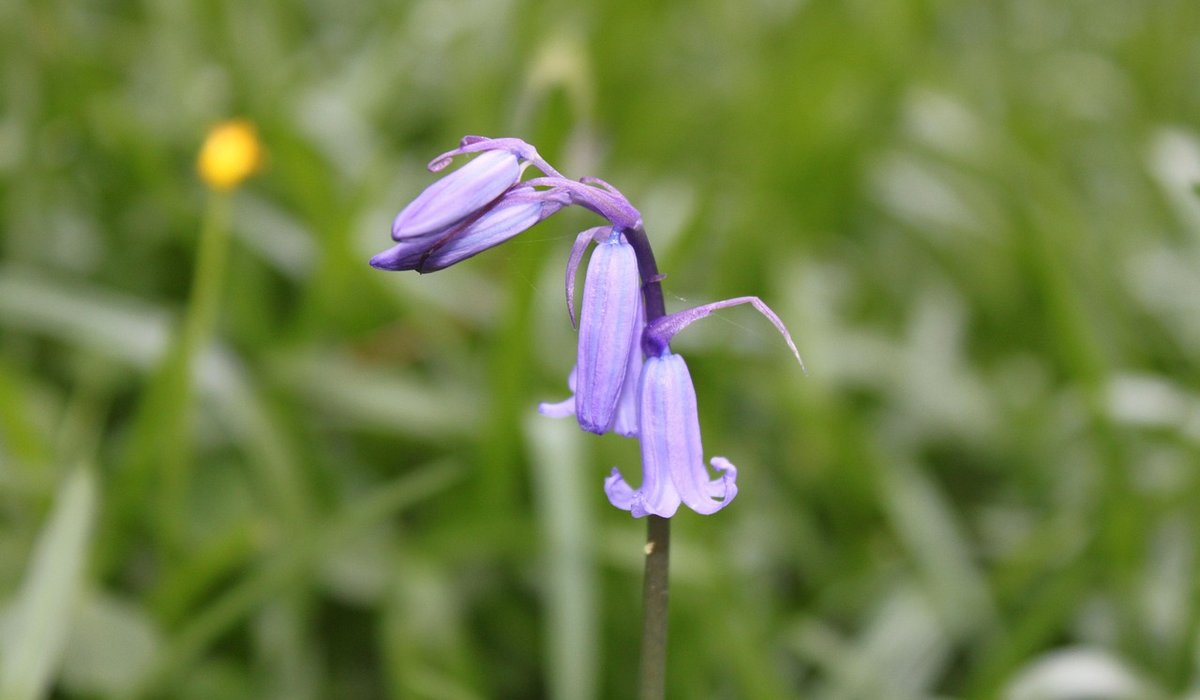
Why Even a Narrow Strip Matters
You do not need a field to make a difference. A metre-wide strip along a fence, an unmown corner behind the shed, or a few generous pots on a sunny patio will all be found by insects within a single season. Bees and butterflies forage by sight and scent, and they are surprisingly good at locating small patches of colour in a street of lawns and paving. A mini meadow also repays you: months of changing interest, the hum of hoverflies on a warm afternoon, and considerably less mowing than a lawn demands.
The trick is to think about nectar and pollen across the whole season, not one glorious flush of poppies in July. Early spring flowers feed queen bumblebees freshly out of hibernation, and late flowers see solitary bees and butterflies through to autumn. Fill the gaps and your patch punches far above its weight.
Read Your Soil and Light Before You Sow
Ten minutes of honest assessment will save you a disappointing summer. Most meadow flowers want an open, sunny spot — six hours of direct sun or more. Shade is not hopeless, but your choices narrow sharply to woodland-edge plants such as red campion, foxglove and wood avens.
Soil matters just as much, because wildflowers generally want poor, thin ground. Fertile soil grows lush grass, and lush grass swamps everything else.
- Light, sandy or chalky soil: free-draining and naturally low in nutrients — ideal. Almost any native mix will thrive.
- Heavy clay: rich and retentive, so you will have to work harder. Choose robust species such as common knapweed, ox-eye daisy and field scabious, and be ruthless about removing cuttings.
- Previously fertilised ground: expect a battle with grass and docks for two or three years. Start with cornfield annuals while the perennials establish.
To check drainage, dig a spadeful of damp soil and squeeze it. If it holds a ribbon, you have clay. If it crumbles, you are in luck.
Choosing the Right Seed Mix
Buy British native seed where you can, and choose a mix matched to your soil and your corner of the country rather than a general-purpose blend. On chalk, look for downland mixtures; on acid ground, a heathland or woodland-edge blend will fare better. Native plants have evolved alongside our insects, and single, open blooms are far more useful than frilly doubles.
- Cornfield annuals — cornflower, corn marigold, corn poppy and corncockle. Cheap, fast and dazzling in the first summer. They will not persist, but they smother weeds while perennials settle in.
- Perennial meadow mixes — ox-eye daisy, common knapweed, field scabious, bird's-foot trefoil, yarrow, lady's bedstraw, selfheal, red clover and cowslip. Slower to establish, but they return year after year.
- Yellow rattle — a semi-parasitic native that weakens grasses and opens space for flowers. Sow it in autumn; it needs a cold spell to germinate.
Sow wildflower-only mixes at roughly one to two grams per square metre, or follow the rate given on a grass-and-wildflower blend. A little seed goes a long way.
Preparing the Ground — the Unglamorous Bit
This is where most mini meadows fail. Weed seeds lie dormant in soil for years, and turning the ground simply brings them to the surface.
- Strip turf with a spade, skimming just below the roots and removing it entirely. Hard work, best results.
- Smother the area with cardboard or black plastic for a season, then rake the surface lightly to make a seedbed.
- Repeated mowing and scarifying over several weeks will exhaust existing growth, especially on light soil.
Do not dig in compost, manure or fertiliser, and do not reach for weedkiller. Sow in September or October for the best results with perennials, or March to April for annuals and spring sowing. Rake the seed in lightly, firm the surface with a board or your boots, and water only if the weather turns stubbornly dry.
Sowing, and the First Year
The first summer rarely looks like the pictures on the packet. Expect weeds, bare patches and a great deal of green. Keep the sward cut to about five to seven centimetres through the first year, removing the clippings every time so you are not feeding the soil. This lets light reach the young wildflowers and keeps aggressive grasses in check.
If growth is rampant, cut more often. By the second summer the perennials will begin to assert themselves, and by the third you should have something that genuinely deserves the name meadow.
Managing the Meadow Year After Year
Once established, a mini meadow needs only a couple of cuts a year.
- Main cut: late July to early August, or September if you want to leave seed heads for the birds. Cut to five centimetres and remove all clippings — this is what keeps fertility low and flowers dominant.
- Autumn tidy: a second cut in October if growth returns after rain.
- Winter: leave a patch or two uncut. Hollow stems and seed heads shelter overwintering insects, including solitary bees and ladybirds.
- Spring: rake off any dead thatch before new growth starts.
Top up with yellow rattle every couple of years, and resist the urge to tidy too thoroughly. A little roughness is exactly what wildlife wants — and, happily, it looks rather lovely too.


Leave a reply