


Why native trees punch above their weight
When you plant a native tree, you are not just adding a feature – you are creating a habitat. British insects, birds, and lichens have evolved alongside our native trees for thousands of years. A rowan, for example, supports more than 100 species of caterpillar, whilst its autumn berries feed thrushes and waxwings. Lichens, those fascinating indicators of clean air, often colonise native bark more readily than exotic alternatives. In a small garden, every plant matters, so choosing a native tree means your space works harder for wildlife.
Small native trees that suit compact plots
You do not need an acre to grow a tree. Several British natives stay naturally modest or respond well to pruning. Here are my top picks for a small garden, all suitable for most of the UK.
- Rowan (Sorbus aucuparia) – Often called the mountain ash, this elegant tree reaches about 8 metres but can be kept smaller. Its creamy spring blossom, bright red autumn berries, and feathery leaves are a magnet for bees, birds, and caterpillars. It tolerates most soils, even windy or exposed spots.
- Hazel (Corylus avellana) – A wonderful multi-stemmed tree for smaller gardens. Hazel can be coppiced every few years to keep it shrubby, and its catkins are a welcome sight in late winter. The nuts feed squirrels, dormice, and woodpeckers, whilst the leaves support many moth larvae.
- Crab apple (Malus sylvestris) – Our native crab apple is perfect for a compact plot, rarely exceeding 6 metres. In spring it is covered in pink-tinged blossom, and by autumn small, bitter fruits appear – birds love them after a frost. The tree supports around 90 insect species.
- Hawthorn (Crataegus monogyna) – Usually grown as a hedge, hawthorn can be trained as a small tree. Its dense, thorny branches make ideal nesting sites, and its May blossom and autumn haws are wildlife staples. Prune it hard if you want to keep it to 4–5 metres.
- Holly (Ilex aquifolium) – Slow-growing and evergreen, holly suits shady corners. Female plants bear red berries if a male is nearby, providing winter food for birds. The dense foliage offers year-round shelter.
Matching tree to space and soil
Before you buy, watch how the sun moves across your garden. Most native trees prefer full sun or light shade, but holly and hazel cope with more shade. Check your soil: rowan and crab apple are adaptable, whilst hazel dislikes very wet ground. Think about ultimate size. A rowan at 8 metres is fine for a medium garden, but in a tiny courtyard, choose a crab apple or coppiced hazel. Root spread is rarely a problem – native trees are not invasive like some ornamental species. If you have a patio, consider a large container with a compact crab apple, though it will need regular watering. For small gardens, a multi-stemmed tree (such as hazel) gives a lighter, more airy feel than a single trunk.
Planting and early care
Autumn to early spring is the best time to plant bare-root trees, whilst they are dormant. Dig a hole twice the width of the roots but no deeper than the original soil mark. Fork the bottom and sides to ease root growth. Position the tree so the old soil level sits just below the surface, then backfill with a mix of soil and well-rotted compost. Firm gently and water well. Add a mulch of bark chips or leaf mould, keeping it clear of the trunk. Stake only if the site is windy – native trees develop stronger roots without unnecessary support. Water regularly for the first two summers, especially in dry spells. Prune lightly in winter to remove dead or crossing branches; hazel can be cut back hard every three to five years to stimulate fresh growth and catkins.
Designing a mini woodland for wildlife
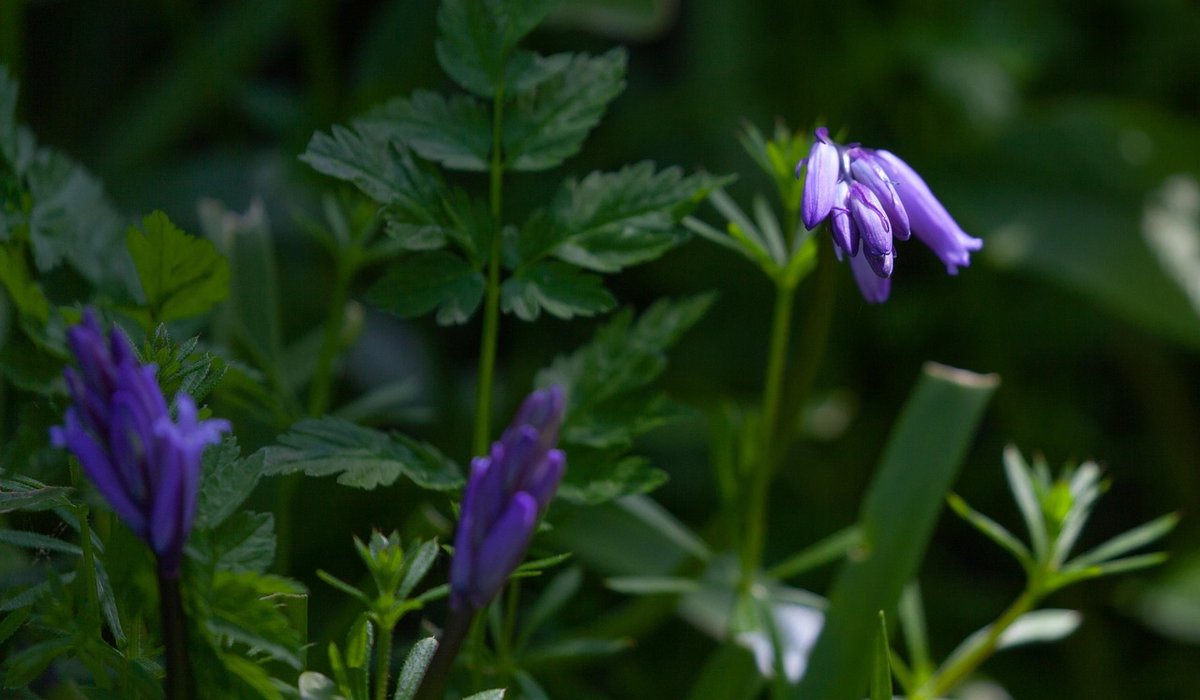
One tree is good; a layered habitat is better. Underplant your native tree with shade-tolerant wildflowers such as primroses, wood anemones, or wild garlic. These support early pollinators and look charming. Leave a patch of long grass or a small log pile nearby – these provide overwintering sites for insects and amphibians. As your tree matures, watch for lichens on the bark; these slow-growing organisms thrive in clean air and add subtle colour. Caterpillars will appear, followed by blue tits and sparrows. In autumn, resist the urge to tidy every fallen leaf – they feed the soil and shelter hedgehogs. If you have room for two trees, choose different species to extend the flowering and fruiting season. Even a single rowan or crab apple turns a small British garden into a genuine wildlife refuge.


Leave a reply